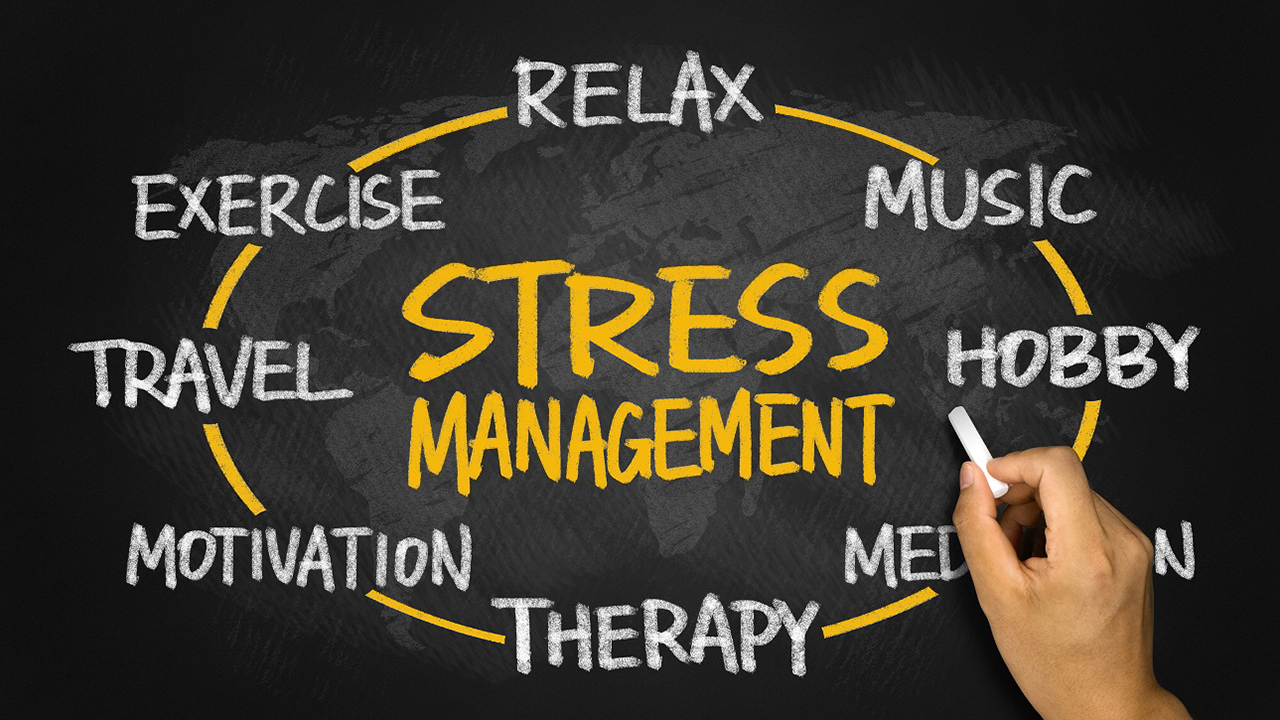
Effective Stress Management Techniques
Discover practical and effective techniques to manage stress, improve your well-being, and enhance your overall quality of life.
Understanding Stress
Stress is a natural response to challenging situations. It is the body's way of preparing to face or flee from a perceived threat. While a certain amount of stress can be beneficial, helping us stay alert and motivated, chronic stress can have serious health consequences. Symptoms of stress can include headaches, muscle tension, fatigue, and sleep disturbances. Recognizing these symptoms is the first step towards managing stress effectively. By understanding what triggers your stress, you can begin to develop strategies to mitigate its impact on your life.
Mindfulness and Meditation
One of the most effective techniques for managing stress is mindfulness meditation. This practice involves focusing your attention on the present moment and accepting it without judgment. Research has shown that mindfulness can reduce symptoms of anxiety and depression. Techniques such as deep breathing, guided imagery, and progressive muscle relaxation can help you achieve a state of calm. Incorporating these practices into your daily routine can help you manage stress more effectively and improve your overall well-being.
Physical Activity
Regular physical activity is another powerful tool for managing stress. Exercise releases endorphins, which are natural mood lifters. Activities such as walking, running, yoga, and dancing can help reduce stress levels. Physical activity also helps improve sleep, which is often disrupted by stress. Finding an exercise routine that you enjoy can make it easier to stick with it. Even short bursts of physical activity throughout the day can make a significant difference in your stress levels.
Healthy Eating
What you eat can have a significant impact on your stress levels. A balanced diet rich in fruits, vegetables, lean proteins, and whole grains can help your body manage stress more effectively. Avoiding excessive caffeine and sugar can also help reduce anxiety and improve mood. Staying hydrated is equally important, as dehydration can exacerbate feelings of stress. Planning your meals and snacks ahead of time can help you make healthier choices and avoid the temptation of stress-eating.
Time Management
Effective time management can help reduce stress by giving you a sense of control over your day. Prioritizing tasks, setting realistic goals, and breaking larger projects into smaller, manageable steps can make your workload feel less overwhelming. Using tools such as to-do lists, calendars, and planners can help you stay organized. Remember to schedule regular breaks and make time for activities that you enjoy. Learning to say no and delegate tasks when necessary can also help prevent burnout.
Social Support
Having a strong social support network is crucial for managing stress. Talking to friends, family, or a mental health professional can provide emotional support and help you gain perspective on your problems. Social interactions can also provide opportunities for laughter and relaxation, which are natural stress relievers. Joining clubs, groups, or online communities that share your interests can help you build new connections and expand your support network.
Sleep Hygiene
Quality sleep is essential for effective stress management. Poor sleep can increase stress levels and make it harder to cope with daily challenges. Establishing a regular sleep routine, creating a comfortable sleep environment, and avoiding screens before bedtime can help improve your sleep quality. Techniques such as deep breathing and progressive muscle relaxation can also help you unwind before bed. If you continue to have trouble sleeping, it may be helpful to consult a healthcare professional for further guidance.