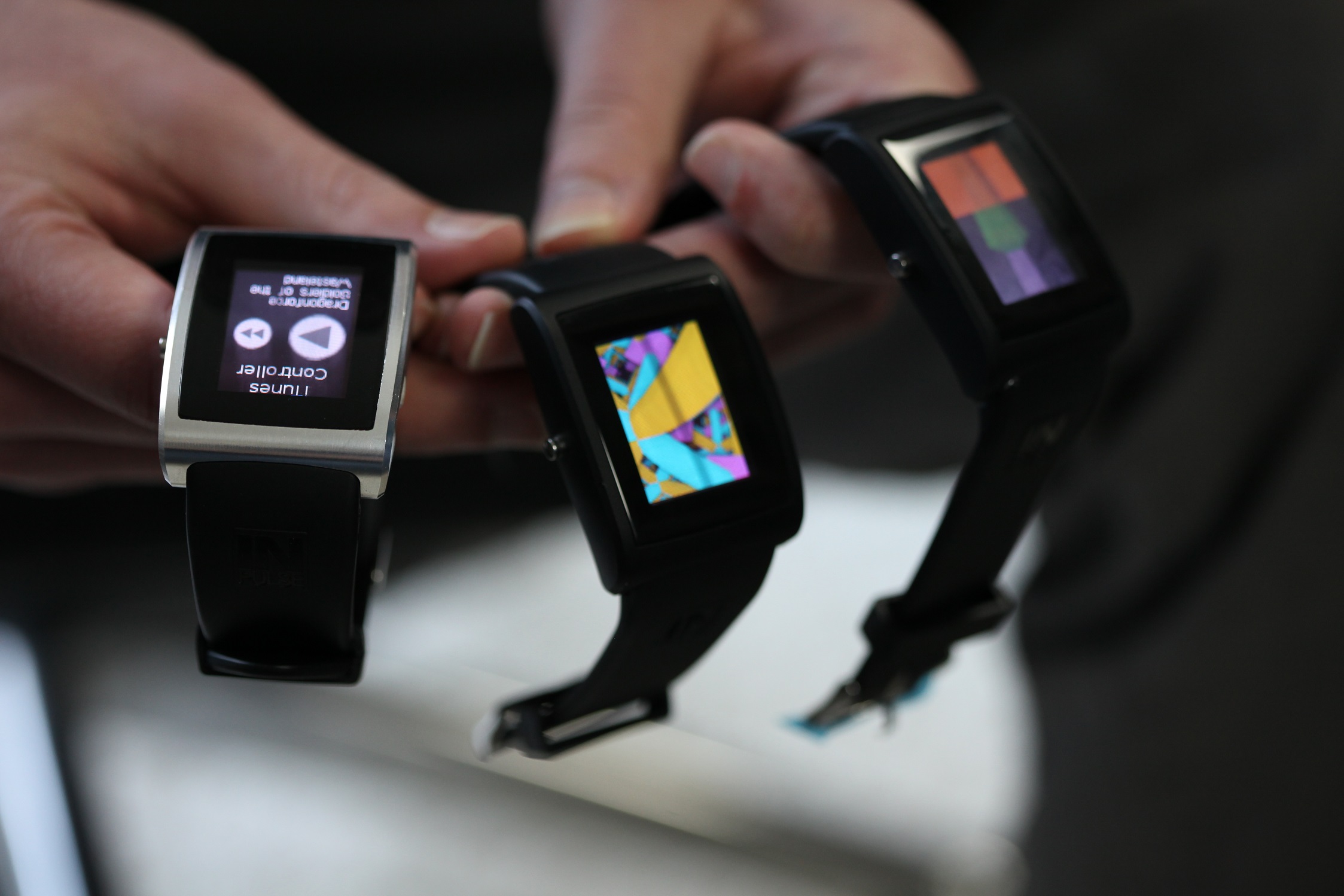
Exploring the World of Wearable Technology
Dive into the fascinating realm of wearable technology, from fitness trackers to smartwatches, and discover how these innovations are transforming our daily lives.
The Rise of Wearable Technology
Wearable technology has become an integral part of our daily lives, transforming how we interact with the world. Smartwatches, fitness trackers, and smart glasses are just a few examples of devices that have gained immense popularity. These gadgets not only offer convenience but also provide a wealth of data that can improve our health and productivity. The evolution of wearable tech is driven by advancements in sensor technology, miniaturization, and wireless connectivity. As these devices become more sophisticated, they continue to blur the lines between technology and daily life, offering unprecedented levels of functionality and integration.
Health and Fitness Tracking
One of the most significant contributions of wearable technology is in the realm of health and fitness. Devices like fitness trackers and smartwatches monitor a range of metrics, from heart rate to sleep patterns. This data can be invaluable for individuals looking to improve their overall health. For instance, athletes use these devices to track their performance and optimize their training regimens. Additionally, wearable tech can alert users to potential health issues, such as irregular heartbeats, allowing for early intervention. The integration of AI and machine learning further enhances the capabilities of these devices, providing personalized health insights and recommendations.
Enhancing Everyday Convenience
Beyond health and fitness, wearable technology offers a myriad of conveniences that enhance our daily routines. Smartwatches, for instance, allow users to receive notifications, make calls, and even make payments without reaching for their phones. Smart glasses can provide real-time information overlays, making tasks like navigation or translation more seamless. Wearable tech can also integrate with other smart devices in our homes, creating a more connected and efficient living environment. The convenience offered by these devices is driving their adoption, making them indispensable tools for modern living.
The Role of Wearable Tech in Professional Settings
Wearable technology is not just for personal use; it has found significant applications in professional settings as well. In industries like healthcare, smartwatches and wearable monitors help medical professionals keep track of patients' vital signs in real-time. In manufacturing, wearables can enhance worker safety by monitoring environmental conditions and alerting them to potential hazards. Moreover, wearable tech can improve productivity by providing workers with hands-free access to information and communication tools. As businesses continue to explore the potential of wearable technology, its role in the workplace is likely to expand further.
Fashion Meets Functionality
The intersection of fashion and technology is another exciting aspect of wearable tech. Designers and tech companies are collaborating to create wearables that are not only functional but also stylish. Smart clothing embedded with sensors can monitor physical activity and even adjust to environmental conditions. Smart jewelry offers discreet notifications and health tracking, blending seamlessly with everyday attire. The focus on aesthetics ensures that wearable technology appeals to a broader audience, making it a fashionable choice for tech-savvy consumers. This fusion of fashion and functionality is driving innovation in the wearable tech industry.
Challenges and Considerations
Despite its many benefits, wearable technology also presents several challenges. Privacy and data security are major concerns, as these devices collect and transmit sensitive information. Ensuring that this data is protected from unauthorized access is crucial. Additionally, the battery life of wearables is often limited, requiring frequent recharging. There are also issues related to comfort and durability, as wearables need to be both comfortable to wear and robust enough to withstand daily use. Addressing these challenges is essential for the continued growth and adoption of wearable technology.
The Future of Wearable Technology
The future of wearable technology is incredibly promising, with ongoing advancements set to expand its capabilities even further. Emerging technologies like flexible displays, advanced sensors, and improved battery technologies will enable the development of more versatile and powerful wearables. Integration with other emerging technologies, such as augmented reality and 5G connectivity, will open up new possibilities for interaction and functionality. As wearable technology continues to evolve, it will play an increasingly important role in our lives, shaping the way we interact with the world around us.