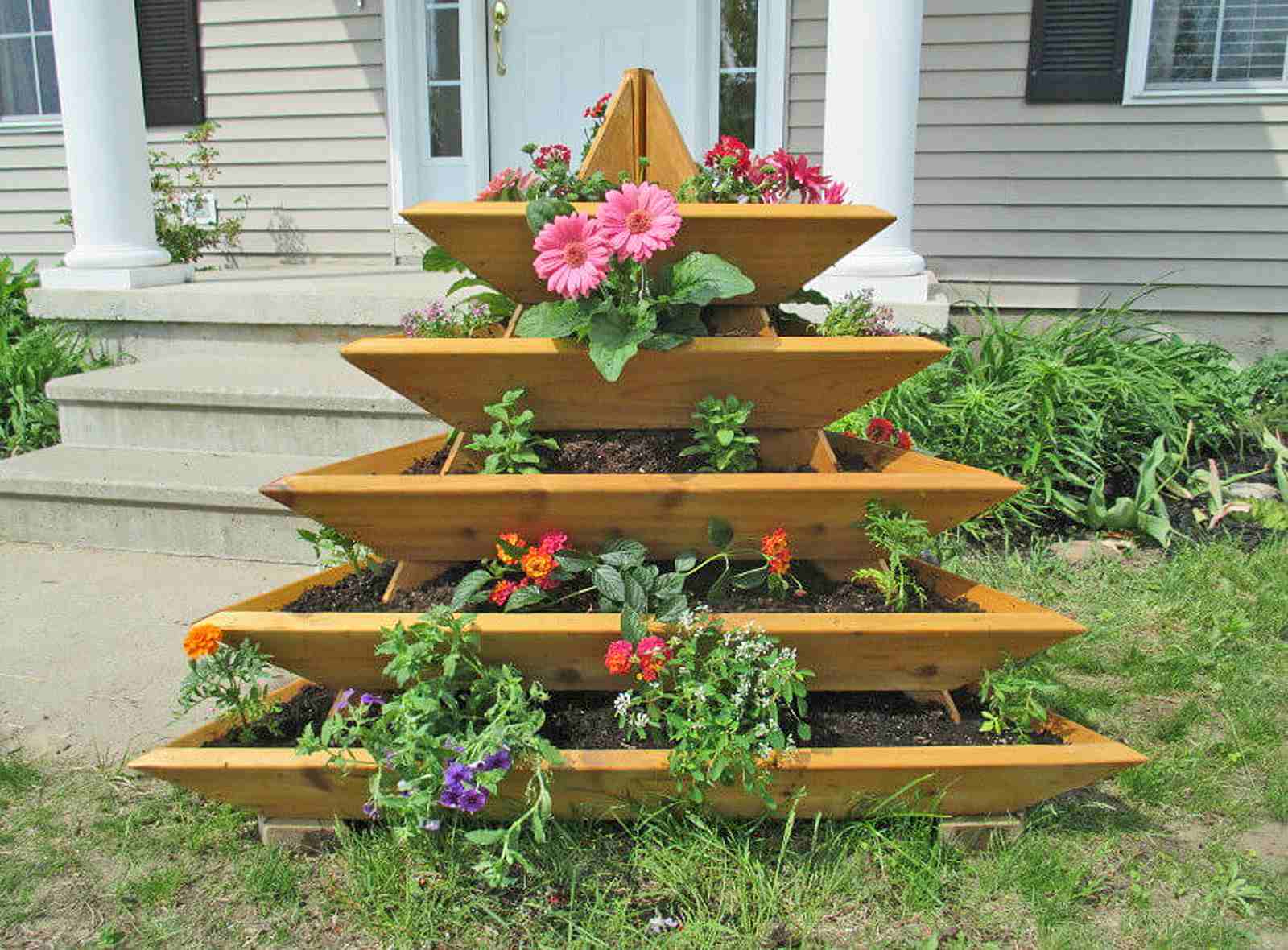
How to Build a Raised Garden Bed
Learn how to build a raised garden bed with our step-by-step guide, perfect for enhancing your gardening experience and boosting plant health.
Planning Your Raised Garden Bed
Building a raised garden bed starts with thorough planning. Determine the size and location of your bed by assessing the amount of sunlight your chosen spot receives throughout the day. Most vegetables require at least 6-8 hours of direct sunlight. Next, consider the type of soil you will use; a mixture of topsoil, compost, and organic matter is ideal. Plan for adequate drainage to prevent waterlogging, which can harm your plants. It's also essential to decide on the materials for the bed's frame, such as wood, stone, or recycled materials. Proper planning ensures your raised garden bed will be both functional and durable.
Gathering Materials and Tools
Once you have a plan, gather the necessary materials and tools. For a basic wooden raised bed, you will need untreated lumber, screws or nails, a saw, a drill, and a measuring tape. If you choose other materials like stone or metal, adjust your tool list accordingly. It's also helpful to have a level to ensure your bed is even. Don't forget to gather your soil components: topsoil, compost, and any other amendments. Having all materials and tools ready before you start will make the construction process smoother and more efficient.
Constructing the Frame
With materials and tools on hand, it's time to construct the frame. Start by cutting your lumber to the desired lengths. Assemble the pieces on a flat surface, creating a rectangular or square shape. Secure the corners with screws or nails, ensuring they are tightly fastened. Use a level to check that the frame is even. If you're using stone or brick, stack the materials to form the sides of the bed, ensuring stability. For added durability, consider reinforcing the corners with brackets. A well-constructed frame is crucial for maintaining the integrity of your raised garden bed over time.
Filling the Bed with Soil
After building the frame, the next step is filling the bed with soil. Start by laying a layer of cardboard or landscape fabric at the bottom to suppress weeds. Then, fill the bed with your soil mixture. A good ratio is 60% topsoil, 30% compost, and 10% other organic matter. Mix these components thoroughly to create a nutrient-rich environment for your plants. Ensure the soil is loose and well-aerated to promote healthy root growth. Water the soil lightly to help it settle. Proper soil preparation is key to a productive raised garden bed.
Planting and Maintenance
With your bed prepared, it's time to focus on planting and maintenance. Choose plants suited to your climate and the amount of sunlight your garden bed receives. Space them according to their growth requirements, allowing enough room for air circulation. Water your plants regularly, keeping the soil consistently moist but not waterlogged. Mulch around the plants to retain moisture and suppress weeds. Regularly check for pests and diseases, and address any issues promptly. Fertilize as needed to replenish nutrients. Consistent care and maintenance will ensure your raised garden bed thrives, providing you with a bountiful harvest.