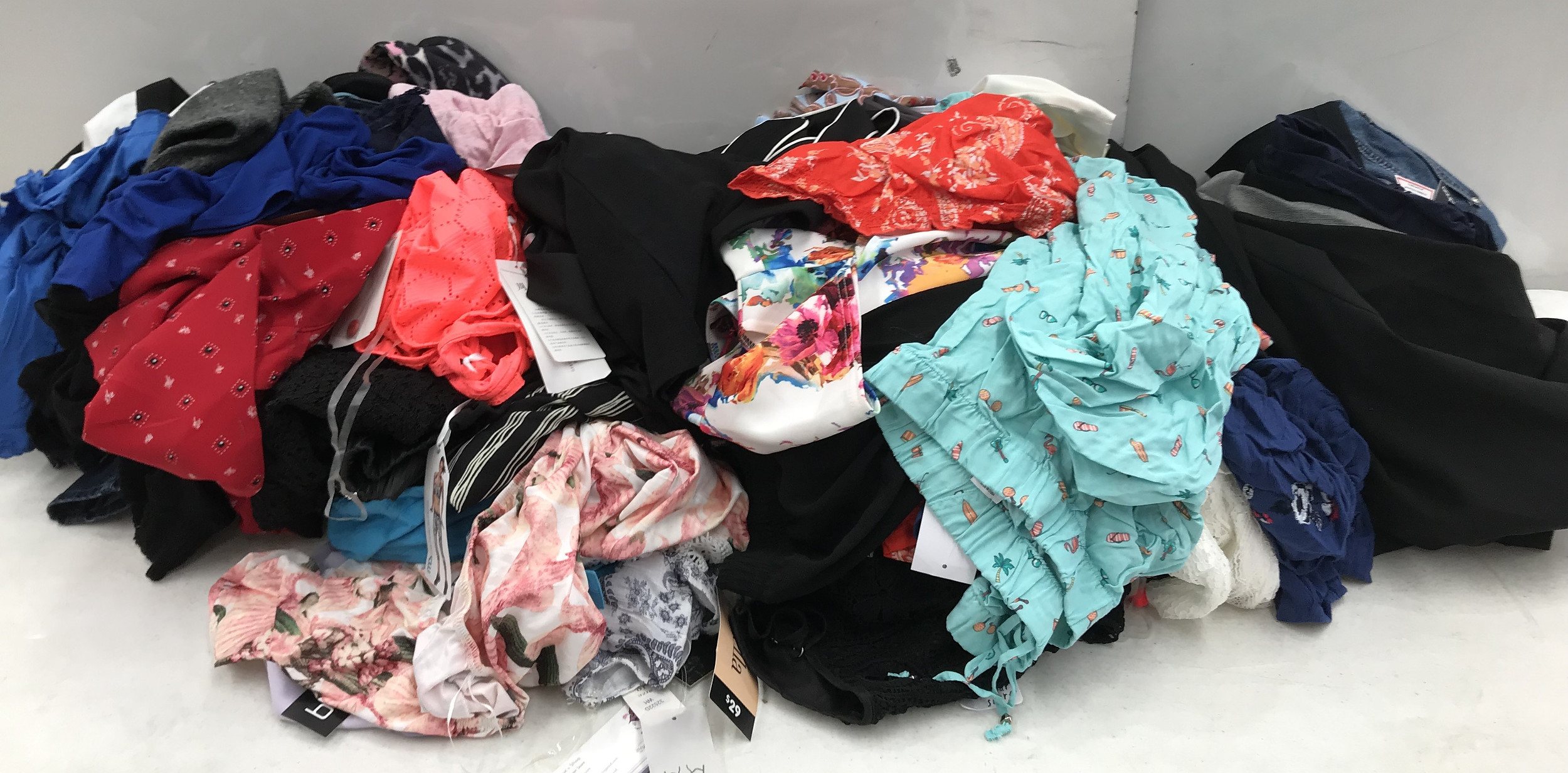
How to Care for Your Clothes: Tips for Longevity
Discover essential tips to extend the lifespan of your wardrobe and keep your clothes looking new. Learn how to properly wash, store, and handle your garments.
Understanding Fabric Types
Knowing your fabrics is the first step in caring for your clothes. Different materials require different care. For instance, cotton is durable and can withstand higher temperatures, while silk needs a gentler touch. Wool can shrink if not handled properly, and synthetics like polyester are generally more resilient but can be sensitive to high heat. Always check the care labels on your clothes to understand the specific needs of each fabric. This knowledge will help you make informed decisions when washing, drying, and storing your garments, ultimately extending their lifespan.
Proper Washing Techniques
Washing your clothes correctly is crucial for maintaining their quality. Use a gentle detergent and cold water for delicate fabrics. For tougher materials, like denim, warm water can be used. Avoid overloading your washing machine as it can cause friction and wear on your clothes. Hand washing is recommended for extremely delicate items. Additionally, turning clothes inside out can help preserve colors and prevent pilling. By following these techniques, you can keep your clothes looking new for longer.
Drying with Care
How you dry your clothes can significantly affect their longevity. Air drying is the safest method for most fabrics, as it reduces the risk of shrinking and fading. If you must use a dryer, opt for a low heat setting. Over-drying can weaken fibers and cause clothes to lose their shape. For heavier items like sweaters, lay them flat to dry to prevent stretching. Investing in a drying rack can be beneficial for air drying multiple items at once. Proper drying methods will help maintain the integrity of your clothes.
Ironing and Steaming
Ironing and steaming are essential for keeping your clothes wrinkle-free and looking sharp. Always check the care label for the recommended ironing temperature. Use a press cloth to avoid direct contact between the iron and delicate fabrics. Steaming is a gentler alternative that can remove wrinkles without the risk of burning. It's particularly effective for fabrics like silk and wool. Regularly cleaning your iron and steamer will ensure they function properly and don't transfer any residue to your clothes. These practices will help you maintain a polished appearance.
Stain Removal
Accidents happen, but prompt and proper stain removal can save your clothes from permanent damage. For most stains, blotting with a clean cloth is better than rubbing, which can spread the stain. Use a stain remover that's appropriate for the fabric type. For example, a mixture of water and vinegar can work wonders on many stains. Always test the stain remover on an inconspicuous area first to ensure it doesn't damage the fabric. Quick and effective stain treatment can prevent long-term damage and keep your clothes looking pristine.
Storage Solutions
Proper storage is key to maintaining the quality of your clothes. Use padded hangers for delicate items like dresses and blouses to prevent stretching. Fold heavy sweaters and knitwear to avoid stretching the shoulders. Store clothes in a cool, dry place to prevent mold and mildew. Consider using garment bags for items you don't wear often to protect them from dust and pests. Seasonal clothes should be stored in airtight containers to keep them fresh. Effective storage solutions will help preserve the condition of your wardrobe.
Regular Maintenance
Regular maintenance can significantly extend the life of your clothes. This includes simple tasks like sewing loose buttons, fixing small tears, and removing pilling with a fabric shaver. Regularly inspect your clothes for any signs of wear and tear and address them promptly. Rotating your wardrobe can also help; wearing the same items repeatedly can cause them to wear out faster. By taking the time to perform regular maintenance, you can keep your clothes in good condition for years to come.
Eco-Friendly Practices
Adopting eco-friendly practices can benefit both your clothes and the environment. Use biodegradable detergents and avoid harsh chemicals that can damage fabrics. Washing clothes less frequently and in cold water can save energy and reduce wear. Consider air drying instead of using a dryer to conserve energy. When it's time to part with clothes, donate or recycle them instead of throwing them away. These sustainable practices not only extend the life of your clothes but also contribute to a healthier planet.