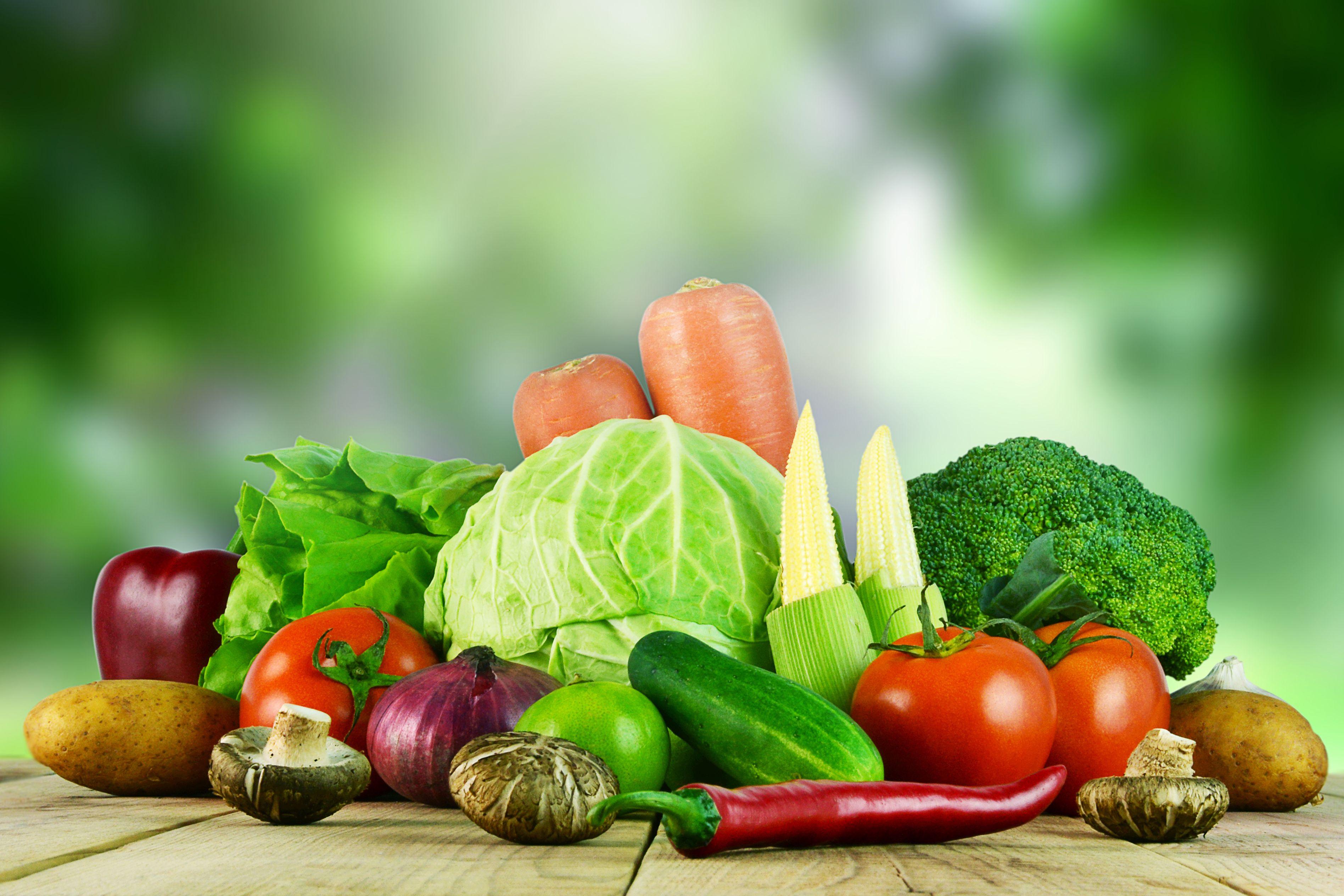
How to Store Fresh Produce to Maximize Shelf Life
Learn effective techniques to store fresh produce, ensuring maximum shelf life and reducing food waste in your kitchen.
Choosing the Right Storage Containers
When it comes to storing fresh produce, the type of container you use can make a significant difference. Opt for airtight containers for items that need to stay crisp, such as leafy greens and berries. For vegetables that require ventilation, such as potatoes and onions, use mesh bags or perforated containers. Glass containers are preferable for storing cut fruits and vegetables, as they do not absorb odors and are easy to clean. Investing in the right storage containers can help extend the shelf life of your produce by maintaining the appropriate moisture levels and preventing spoilage.
Understanding Temperature Needs
Different types of produce have varying temperature requirements for optimal storage. Leafy greens and berries thrive in cooler temperatures, typically around 32-36°F, and should be stored in the crisper drawer of your refrigerator. On the other hand, fruits like bananas, avocados, and tomatoes prefer room temperature and should be kept on the counter until they ripen. Once ripened, they can be transferred to the refrigerator to prolong their freshness. Understanding these temperature needs can help you maximize the shelf life of your produce.
The Role of Humidity
Humidity plays a crucial role in keeping your produce fresh. Most refrigerators come with a crisper drawer that has adjustable humidity settings. High humidity is ideal for leafy greens, herbs, and vegetables like carrots and cucumbers, as it helps prevent wilting. Low humidity is better suited for fruits such as apples, pears, and grapes, which can develop mold in overly moist environments. Adjusting the humidity settings in your crisper drawer according to the type of produce you are storing can significantly extend its shelf life.
Proper Washing Techniques
While it might be tempting to wash all your produce as soon as you bring it home, this can actually shorten its shelf life. Excess moisture can promote the growth of mold and bacteria. Instead, wait to wash your fruits and vegetables until just before you plan to use them. For items that do need to be washed ahead of time, such as leafy greens, make sure to dry them thoroughly using a salad spinner or paper towels before storing them in an airtight container. Proper washing techniques can help you maintain the freshness of your produce for a longer period.
Ethylene Gas and Its Effects
Certain fruits and vegetables produce ethylene gas, a natural plant hormone that accelerates ripening. Bananas, apples, and avocados are common ethylene producers. When stored together with ethylene-sensitive produce like lettuce, carrots, and broccoli, the gas can cause premature ripening and spoilage. To prevent this, store ethylene-producing fruits separately from other produce. Understanding the effects of ethylene gas can help you organize your storage more effectively and extend the shelf life of your fresh produce.
Using Freshness Extenders
There are various products available that can help extend the freshness of your produce. Freshness extenders like ethylene absorbers, refrigerator liners, and produce bags are designed to create an optimal environment for storing fruits and vegetables. These products work by absorbing excess moisture, reducing ethylene gas buildup, and maintaining proper air circulation. Incorporating freshness extenders into your storage routine can be a simple yet effective way to maximize the shelf life of your produce.
Rotating Your Stock
One of the best practices for maximizing the shelf life of your produce is to rotate your stock regularly. When you bring new groceries home, place them behind the older items so that you use the older produce first. This first-in, first-out method ensures that nothing gets forgotten and left to spoil at the back of the fridge. Additionally, make a habit of checking your produce regularly for any signs of spoilage and removing affected items immediately to prevent them from affecting the rest of your stock.
Freezing for Long-Term Storage
If you find yourself with an abundance of fresh produce that you can't consume in time, consider freezing it for long-term storage. Most fruits and vegetables freeze well and can be stored for several months. To freeze produce properly, wash and dry it thoroughly, then cut it into desired portions. Blanch vegetables by boiling them briefly and then plunging them into ice water to preserve their color and texture. Place the produce in airtight freezer bags or containers, label them with the date, and store them in the freezer. Freezing is an excellent way to reduce waste and enjoy fresh produce year-round.