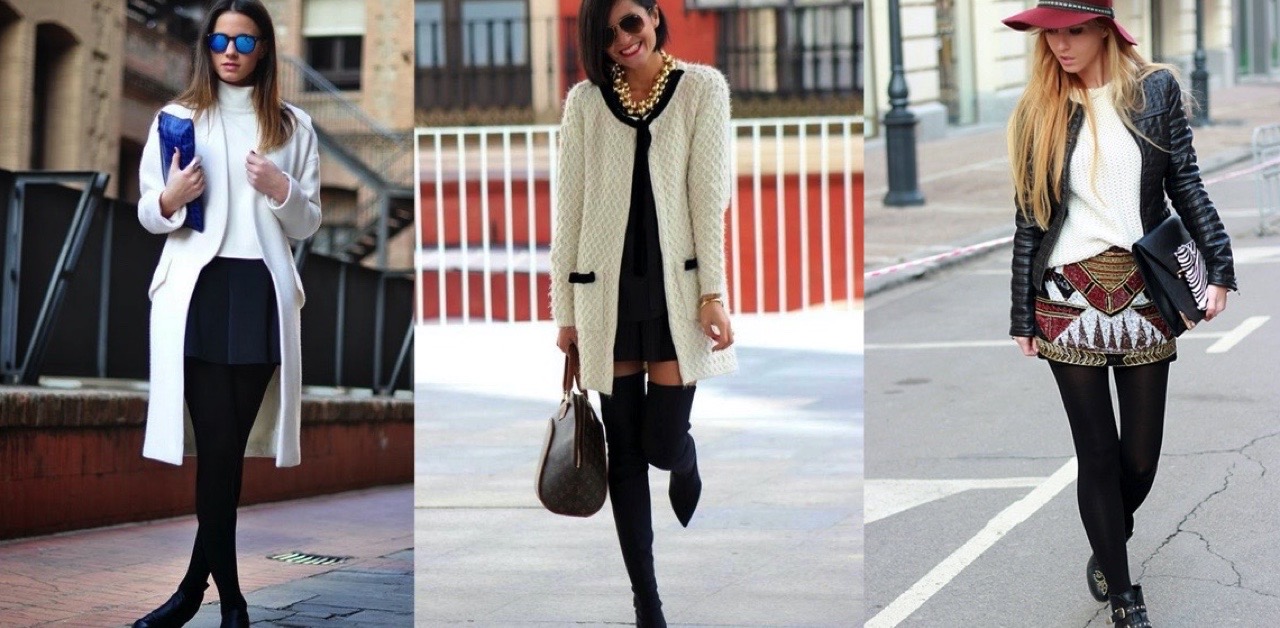
The Art of Layering: Tips for Stylish Layered Outfits
Master the art of layering to create stylish, versatile outfits for any season with these expert tips and tricks.
Understanding the Basics of Layering
Layering is an essential technique in fashion that not only keeps you warm but also allows you to express your personal style. Mastering the art of layering involves understanding the balance between different textures, colors, and proportions. Start with a basic outfit and build upon it. For instance, a simple tee paired with a cardigan can be the foundation of a stylish layered look. The key is to ensure each layer is visible and contributes to the overall aesthetic. Experiment with lengths and silhouettes to find combinations that flatter your body shape. Remember, layering isn't just for cold weather; it can be adapted for any season with the right fabrics and pieces.
Choosing the Right Fabrics
The choice of fabric is crucial when it comes to layering. Lightweight materials like cotton, silk, and linen are perfect for the base layer as they are breathable and comfortable. As you add layers, consider incorporating heavier fabrics like wool, denim, or leather to create depth and interest. Mixing different textures can add a dynamic element to your outfit. For example, pairing a silky blouse with a chunky knit sweater creates a visually appealing contrast. Additionally, consider the functionality of the fabrics. Moisture-wicking materials can be beneficial for the innermost layers, especially in warmer climates.
Playing with Colors and Patterns
Color and pattern play a significant role in layering. Monochromatic looks can be sleek and sophisticated, while contrasting colors can make a bold statement. When layering, it's essential to find a balance. Too many patterns or clashing colors can overwhelm the outfit. A good rule of thumb is to start with neutral base layers and add pops of color or pattern with your outer layers. For example, a neutral-toned outfit can be enhanced with a brightly colored scarf or patterned jacket. Color-blocking is another effective technique that involves combining solid colors in a way that is both eye-catching and harmonious.
Importance of Proportions
Understanding proportions is key to creating a balanced layered outfit. Proportion refers to the relationship between different elements of your outfit, such as the length of your top compared to your bottom. A common mistake is layering pieces that are all the same length, which can create a boxy silhouette. Instead, try pairing a longer top with a shorter jacket or a cropped sweater with a high-waisted skirt. This creates a more dynamic and flattering look. Additionally, consider the fit of each layer. Oversized pieces can add a cozy, relaxed vibe, but it's important to balance them with more fitted items to avoid looking shapeless.
Accessorizing Your Layers
Accessories can elevate your layered outfit to the next level. Scarves, hats, belts, and jewelry are all excellent tools for adding personality and interest to your look. A belt can help define your waist and create structure, especially when wearing bulkier layers. Scarves not only add warmth but also a splash of color or pattern. When choosing accessories, consider the overall aesthetic you want to achieve. For a minimalist look, opt for simple, understated pieces. For a more eclectic style, mix and match bold accessories. Layering jewelry like necklaces of different lengths can also add a stylish touch to your ensemble.
Seasonal Layering Tips
Layering techniques can vary depending on the season. In colder months, focus on thermal layers to keep warm. Start with a thermal base layer, add a sweater, and top it off with a coat. Don't forget accessories like gloves and beanies to complete the look. In warmer months, opt for lightweight layers to stay cool. A tank top under a light cardigan or a sundress paired with a denim jacket are great options. Layering for transitional weather can be tricky, but versatile pieces like vests or lightweight jackets can help you adjust to changing temperatures throughout the day.
Layering for Different Occasions
Layering can be adapted for various occasions, from casual outings to formal events. For a casual day out, try layering a graphic tee under a flannel shirt and adding a denim jacket. For a more polished look, a blouse under a tailored blazer can be both professional and stylish. When attending formal events, consider layering delicate fabrics like lace or chiffon. A slip dress with a sheer overlay or a tailored suit with a silk blouse can create a sophisticated ensemble. Understanding the dress code and the level of formality required will help you choose the right layers for any occasion.
Personalizing Your Layered Look
Ultimately, the art of layering is about expressing your unique style. Don't be afraid to experiment with different combinations and step out of your comfort zone. Pay attention to what works for your body shape and personal taste. Fashion is a form of self-expression, and layering offers endless possibilities to showcase your creativity. Whether you prefer a minimalist approach or love to make a statement with bold pieces, layering allows you to customize your look. Keep an open mind, stay confident, and enjoy the process of discovering new ways to enhance your wardrobe through layering.