The Essentials of a Balanced Diet: What to Include
Discover the key components of a balanced diet, including proteins, carbohydrates, fats, vitamins, and minerals, for optimal health.
Understanding a Balanced Diet
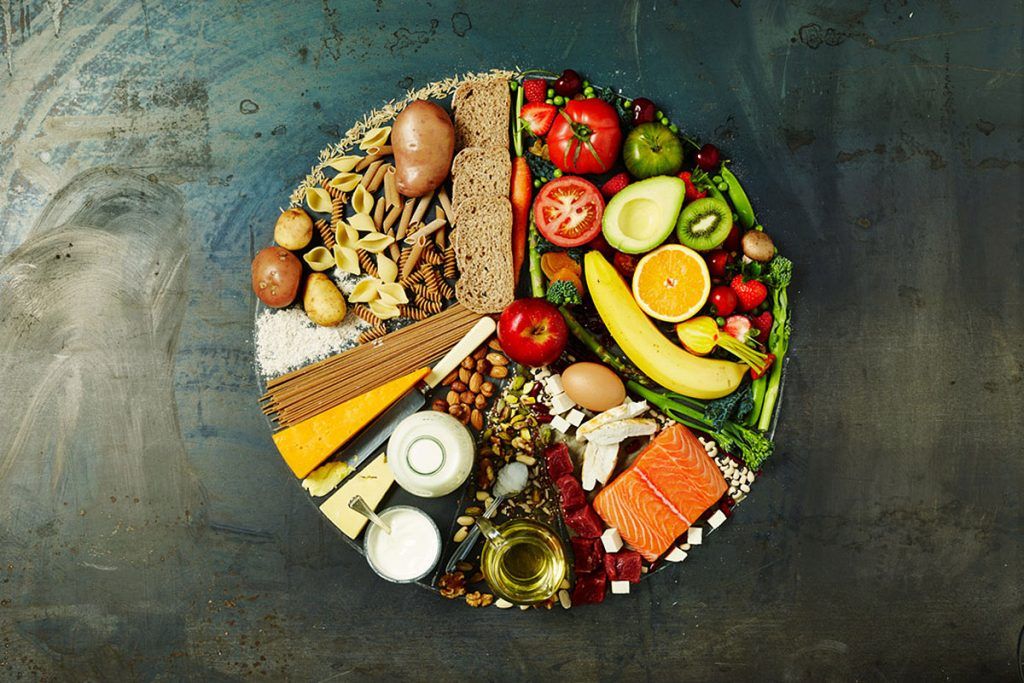
A balanced diet is essential for maintaining overall health and well-being. It involves consuming the right proportions of various food groups to provide the body with the necessary nutrients. A balanced diet not only supports physical health but also boosts mental well-being and energy levels. Key components include carbohydrates, proteins, fats, vitamins, and minerals. Each nutrient plays a unique role in bodily functions, from energy production to immune support. Ensuring a variety of foods in your diet can help cover all nutritional bases, making it easier to meet daily requirements without overconsumption of any single nutrient. Variety is key to a balanced diet, as it prevents nutrient deficiencies and promotes overall health.
The Role of Carbohydrates
Carbohydrates are often misunderstood but are a crucial part of a balanced diet. They are the body's primary source of energy. There are two types: simple and complex carbohydrates. Simple carbohydrates, found in fruits and sweets, provide quick energy. In contrast, complex carbohydrates, found in whole grains, vegetables, and legumes, offer sustained energy and are rich in fiber. Fiber aids in digestion and helps maintain stable blood sugar levels. It's essential to prioritize complex carbohydrates over simple ones to avoid energy spikes and crashes. Incorporating a mix of both types, with an emphasis on complex carbs, ensures that the body has a steady energy supply throughout the day.
Importance of Proteins
Proteins are the building blocks of the body, essential for growth, repair, and maintenance of tissues. They are made up of amino acids, some of which are essential and must be obtained through diet. Sources of protein include meat, fish, eggs, dairy products, legumes, nuts, and seeds. A balanced diet should include a variety of protein sources to ensure all essential amino acids are consumed. For vegetarians and vegans, combining different plant-based proteins can help achieve a complete amino acid profile. Adequate protein intake is vital for muscle health, immune function, and overall vitality, making it a cornerstone of a balanced diet.
Healthy Fats and Their Benefits
Fats often get a bad reputation, but they are an essential part of a balanced diet. Healthy fats, such as those found in avocados, nuts, seeds, and oily fish, provide energy, support cell growth, and protect organs. They also play a role in nutrient absorption and hormone production. It's crucial to differentiate between healthy fats and unhealthy ones, like trans fats and excessive saturated fats, which can lead to health issues. Incorporating sources of omega-3 and omega-6 fatty acids, found in fish and flaxseeds, can help reduce inflammation and support heart health. Balancing fat intake with other nutrients ensures a well-rounded and health-promoting diet.
Vitamins and Minerals: Micronutrients for Health
Vitamins and minerals, though needed in smaller amounts compared to macronutrients, are vital for optimal health. They support various bodily functions, including immune response, bone health, and energy production. Vitamins such as A, C, D, E, and K, along with B-complex vitamins, each have specific roles. Minerals like calcium, potassium, magnesium, and iron are equally important. A diet rich in fruits, vegetables, whole grains, lean proteins, and dairy products can help meet these micronutrient needs. Ensuring a colorful and diverse plate can make it easier to obtain a wide range of vitamins and minerals, promoting overall well-being and preventing deficiencies.