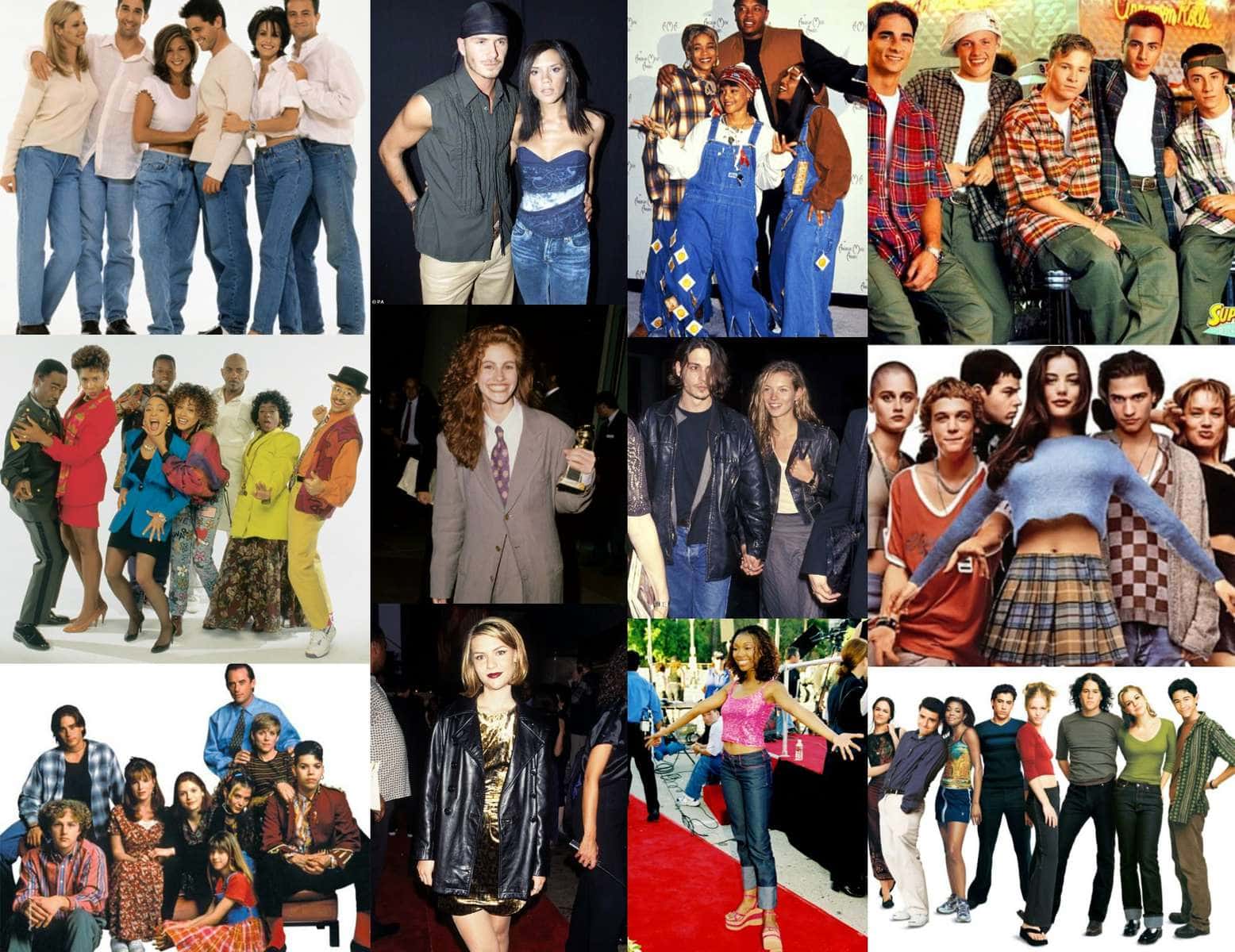
The Evolution of Fashion: A Brief History
Explore the fascinating journey of fashion from ancient times to modern-day trends, highlighting key transformations and cultural influences.
The Dawn of Fashion
Fashion has been an intrinsic part of human culture since the earliest civilizations. Initially, clothing was primarily functional, providing protection from the elements. Over time, however, it evolved to signify status, identity, and individuality. Ancient societies used clothing to distinguish social classes and roles. For instance, elaborate robes and accessories were often reserved for royalty and the elite, while commoners wore simpler attire. This distinction was not just about luxury but also about communicating power and privilege. As civilizations grew, so did the complexity and variety of their clothing, setting the stage for fashion as we understand it today.
The Influence of Trade and Exploration
The expansion of trade routes and exploration played a pivotal role in the evolution of fashion. As different cultures interacted, they exchanged not only goods but also ideas and styles. This led to the fusion of diverse fashion elements, creating unique and innovative designs. Silk from the East, for example, became highly sought after in the West, leading to new weaving techniques and garment styles. Similarly, the introduction of dyes and fabrics from distant lands enriched local fashion traditions. This period of cross-cultural exchange significantly broadened the fashion landscape, making it more dynamic and varied.
The Role of Technological Advancements
Technological innovations have always had a profound impact on fashion. The invention of the sewing machine revolutionized garment production, making clothing more affordable and accessible. This democratization of fashion allowed a broader segment of the population to express themselves through their attire. Additionally, advancements in textile production, such as synthetic fibers, expanded the possibilities for designers. These new materials were not only cost-effective but also offered unique properties like stretch and durability. As technology continues to evolve, it will undoubtedly keep shaping the future of fashion in unprecedented ways.
The Emergence of Fashion Capitals
Certain cities have become synonymous with fashion, serving as global hubs for style and innovation. Places like Paris, Milan, and New York are not just cities but symbols of fashion excellence. These fashion capitals set trends that influence the entire industry. They host renowned fashion weeks where designers showcase their latest collections, attracting media attention and setting the tone for upcoming seasons. The concentration of talent, resources, and media in these cities creates a fertile ground for fashion to flourish, making them indispensable to the global fashion ecosystem.
The Impact of Media and Celebrity Culture
The advent of mass media and the rise of celebrity culture have significantly influenced fashion trends. Magazines, television, and now social media platforms like Instagram have become powerful tools for fashion marketing. Celebrities and influencers often dictate what is considered stylish, with their choices quickly becoming trends. This phenomenon has democratized fashion to some extent, allowing ordinary people to access and emulate high fashion. However, it has also created a fast-paced environment where trends come and go rapidly, challenging designers to constantly innovate and adapt.
The Rise of Sustainable Fashion
In recent years, there has been a growing awareness of the environmental and ethical impacts of fashion. This has led to the rise of sustainable fashion, which emphasizes eco-friendly materials, ethical production practices, and longevity over disposability. Brands are increasingly adopting sustainable practices, from using organic fabrics to ensuring fair labor conditions. Consumers are also becoming more conscious of their choices, favoring brands that align with their values. This shift towards sustainability is not just a trend but a necessary evolution, as the industry grapples with its environmental footprint.
The Future of Fashion
The future of fashion is likely to be shaped by a combination of technology, sustainability, and cultural shifts. Innovations like 3D printing and smart fabrics could revolutionize how clothing is designed and produced. At the same time, the push for sustainability will continue to influence both consumers and brands. Cultural shifts, such as the move towards inclusivity and diversity, will also play a crucial role in defining future trends. As fashion continues to evolve, it will remain a powerful form of self-expression and a reflection of societal values.