The Pros and Cons of Wireless Charging
Explore the advantages and disadvantages of wireless charging, from convenience and aesthetics to efficiency and cost.
Introduction to Wireless Charging
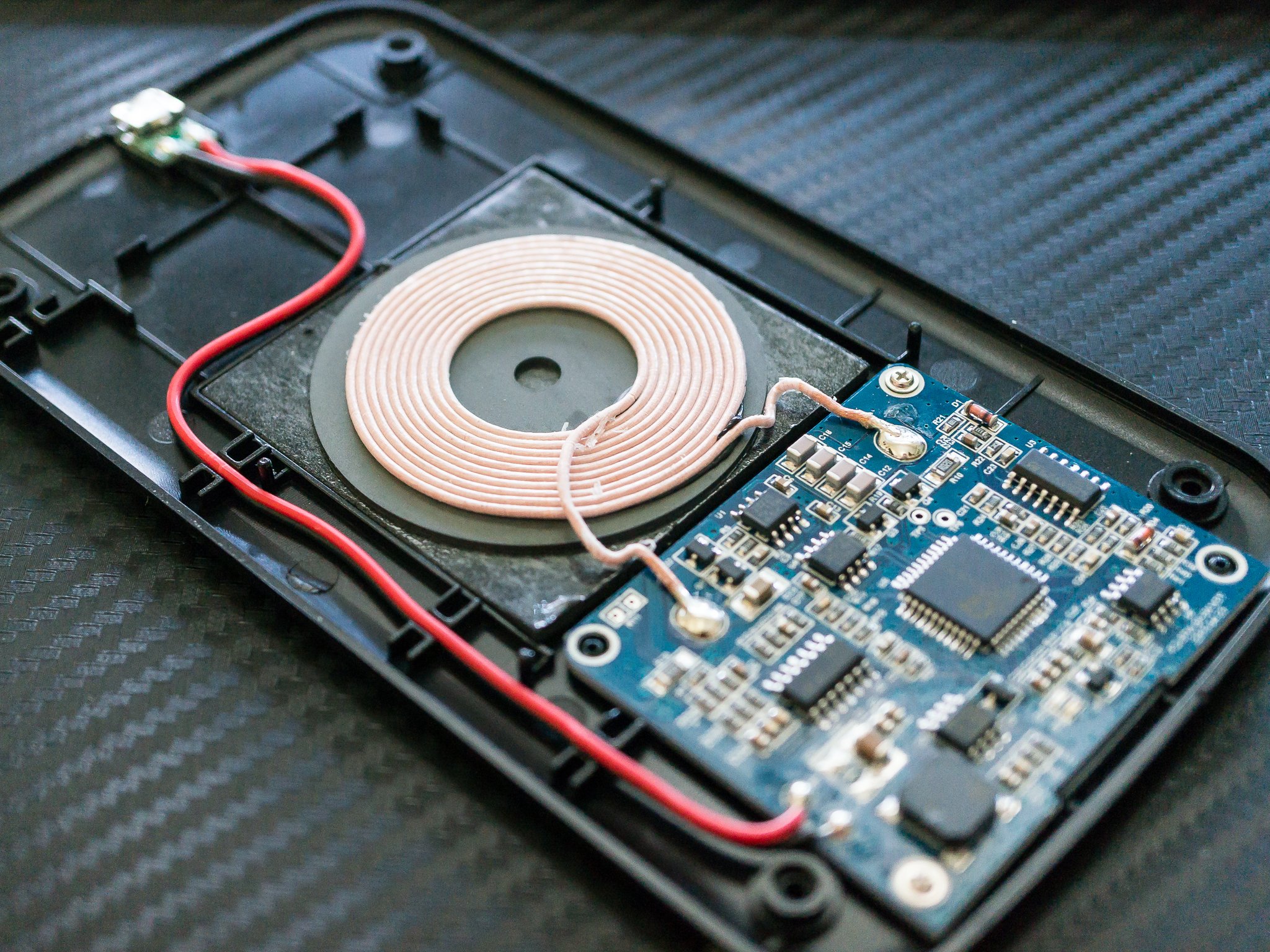
Wireless charging has become a popular feature in many modern devices, offering a convenient way to power up without the need for cables. By using electromagnetic fields to transfer energy between two objects, typically a charging pad and a compatible device, users can simply place their gadgets on a surface to begin charging. This technology, often referred to as inductive charging, has been integrated into a variety of electronics including smartphones, smartwatches, and even some laptops. However, like any technology, wireless charging comes with its own set of advantages and disadvantages that are important to consider before making the switch from traditional wired methods.
Convenience and Ease of Use
One of the biggest advantages of wireless charging is its convenience. Without the need to plug and unplug cables, users can simply place their device on a charging pad to start the process. This is especially beneficial for those who frequently charge their devices throughout the day, as it eliminates the wear and tear on charging ports. Moreover, many public places like cafes and airports are now equipped with wireless charging stations, making it easier for users to keep their devices powered on the go. This ease of use can significantly enhance the overall user experience, making daily routines simpler and more efficient.
Reduced Wear and Tear
Wireless charging can also lead to reduced wear and tear on both the device and its accessories. Traditional charging methods often involve repeated plugging and unplugging, which can cause physical strain on the charging port over time. This can eventually lead to damage that may require costly repairs. By eliminating the need for physical connectors, wireless charging can help extend the lifespan of a device. Additionally, there is no need to worry about frayed cables or broken connectors, which are common issues with wired chargers. This makes wireless charging a more durable and reliable option for many users.
Slower Charging Speeds
Despite its many benefits, wireless charging is not without its drawbacks. One of the most notable is the slower charging speeds compared to traditional wired methods. While advancements in technology have led to improvements in this area, wireless charging is generally still slower than its wired counterparts. This can be a significant downside for users who need to quickly charge their devices, especially in situations where time is of the essence. Additionally, the efficiency of wireless charging can be affected by the alignment of the device on the charging pad, which can further impact charging times.
Energy Efficiency and Heat Generation
Another concern with wireless charging is its energy efficiency. Wireless chargers tend to consume more power than wired chargers, as some energy is lost during the transfer process. This can lead to higher electricity bills over time, which may be a consideration for cost-conscious users. Furthermore, wireless charging can generate more heat than traditional methods, which can potentially affect the longevity of the device's battery. Excessive heat can accelerate battery degradation, leading to reduced battery life and performance over time. Users should be mindful of these factors when deciding whether wireless charging is the right choice for them.
Compatibility and Availability
Compatibility is another important factor to consider when it comes to wireless charging. Not all devices are equipped with wireless charging capabilities, and those that are may require specific types of charging pads. This can limit the convenience and accessibility of wireless charging for some users. Additionally, while the availability of wireless charging stations is increasing, it is still not as widespread as traditional charging options. This means that users may not always have access to a wireless charging station when they need it, which can be a significant inconvenience in certain situations. Ensuring that your devices are compatible with wireless charging and having access to the necessary equipment is crucial for a seamless experience.
Conclusion
In conclusion, wireless charging offers a range of benefits, including convenience, reduced wear and tear, and an enhanced user experience. However, it also comes with its own set of challenges, such as slower charging speeds, energy efficiency concerns, and compatibility issues. As with any technology, it is important to weigh the pros and cons to determine if wireless charging is the right fit for your needs. By considering these factors, users can make informed decisions about how to best power their devices, balancing convenience with performance and cost-efficiency.