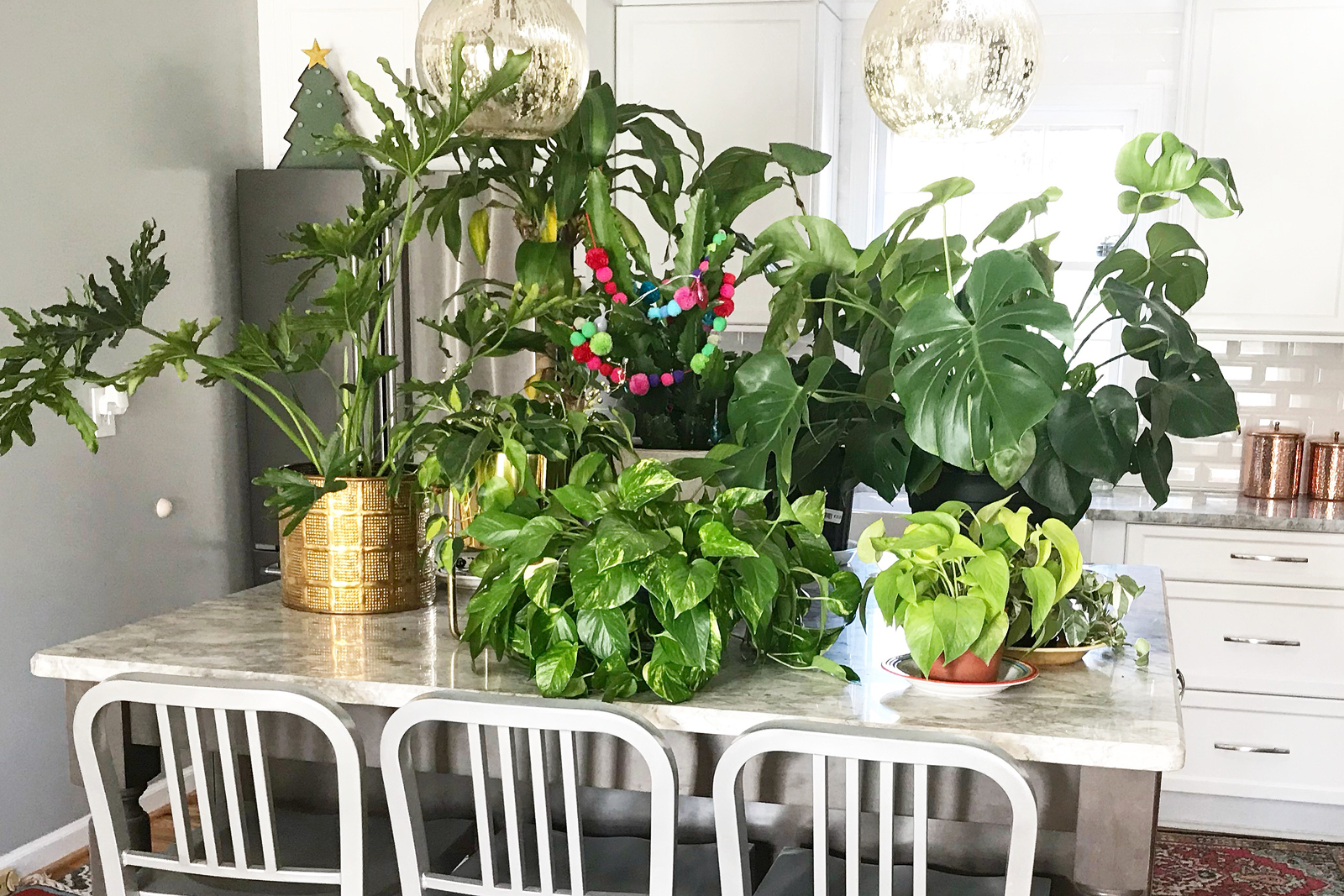
The Ultimate Guide to Indoor Plant Care
Discover essential tips and tricks for keeping your indoor plants healthy and thriving all year round with our comprehensive guide.
Choosing the Right Plants for Your Space
Selecting the right indoor plants is the first step towards successful indoor gardening. Consider factors such as light availability, humidity levels, and space constraints when choosing plants. For instance, succulents and cacti thrive in bright, direct light, while ferns and peace lilies prefer lower light conditions. Additionally, some plants like the snake plant and ZZ plant are known for their resilience and ability to thrive in various conditions, making them perfect for beginners. Assess your environment and lifestyle to find plants that will flourish in your home and suit your care routine.
Understanding Light Requirements
Light is a crucial factor for the growth and health of indoor plants. Different plants have varying light requirements, categorized as low, medium, or high light. It's essential to place your plants in appropriate locations to meet their light needs. For example, a south-facing window typically offers the most intense light, suitable for high-light plants. In contrast, north-facing windows provide less light, ideal for low-light plants. If natural light is insufficient, consider using artificial grow lights to supplement. Understanding and meeting your plants' light needs can prevent issues like leggy growth and leaf discoloration.
Watering Wisely
Proper watering is vital for indoor plant care. Overwatering and underwatering are common mistakes that can harm plants. The key is to understand each plant's specific water needs. For example, succulents require less frequent watering due to their ability to store water, whereas tropical plants like calatheas prefer consistently moist soil. Always check the soil moisture before watering by inserting your finger about an inch deep. If it feels dry, it's time to water. Ensure your pots have drainage holes to prevent waterlogging, which can lead to root rot. Using a watering schedule or reminders can help maintain consistency.
Maintaining Humidity Levels
Indoor environments often have lower humidity levels, especially during winter months. Many indoor plants, particularly tropical varieties, thrive in higher humidity. To maintain optimal humidity, consider using a humidifier, especially in dry climates or heated homes. Grouping plants together can also create a microenvironment with increased humidity. Additionally, placing plants on humidity trays filled with water and pebbles can help. Misting plants occasionally is another method, though it provides only a temporary increase in humidity. Monitoring and adjusting humidity levels can prevent issues like brown leaf tips and leaf drop.
Soil and Fertilization
Choosing the right soil and fertilizing appropriately are crucial for indoor plant health. Use well-draining potting mix suited to your plant type. For example, cacti and succulents need a gritty, fast-draining mix, while orchids require a special orchid mix. Fertilization provides essential nutrients that may not be available in potting soil. Use a balanced, water-soluble fertilizer during the growing season, typically spring and summer. Be cautious not to over-fertilize, as this can lead to nutrient burn and damage plants. Follow the recommended dosage and frequency for each plant type to ensure healthy growth.
Pruning and Repotting
Regular pruning and repotting are essential for maintaining plant health and aesthetics. Pruning helps remove dead or yellowing leaves, promotes new growth, and prevents plants from becoming leggy. Use clean, sharp scissors or pruning shears to make clean cuts. Repotting is necessary when plants outgrow their pots or when the soil becomes depleted. Signs that a plant needs repotting include roots growing out of drainage holes and stunted growth. Choose a pot that is one size larger and use fresh potting mix. Repotting gives plants more room to grow and access to fresh nutrients.
Pest Control and Disease Management
Indoor plants can occasionally fall victim to pests and diseases. Common pests include spider mites, aphids, and mealybugs. Regularly inspect your plants for signs of pests, such as webbing, discolored leaves, or sticky residue. If detected, isolate the affected plant and treat it with natural remedies like neem oil or insecticidal soap. Disease prevention involves maintaining proper watering practices and ensuring good air circulation. Fungal issues like powdery mildew can be managed by reducing humidity and removing affected leaves. Early detection and prompt action are key to keeping your indoor garden healthy and thriving.