Understanding Food Labels: What You Need to Know
Discover the essentials of reading food labels to make informed choices about your diet and health.
The Importance of Food Labels
Understanding food labels is crucial for making informed choices about what we eat. These labels provide essential information about the nutritional content, ingredients, and other relevant details of food products. By learning how to read and interpret these labels, consumers can better manage their diet, avoid allergens, and ensure they are getting the necessary nutrients. Food labels are not just for those with dietary restrictions; they are a valuable resource for anyone looking to maintain a healthy lifestyle. For instance, checking the serving size and calories per serving can help in managing weight, while the ingredient list can alert you to any potential allergens or additives you might want to avoid.
Nutritional Facts and Daily Values
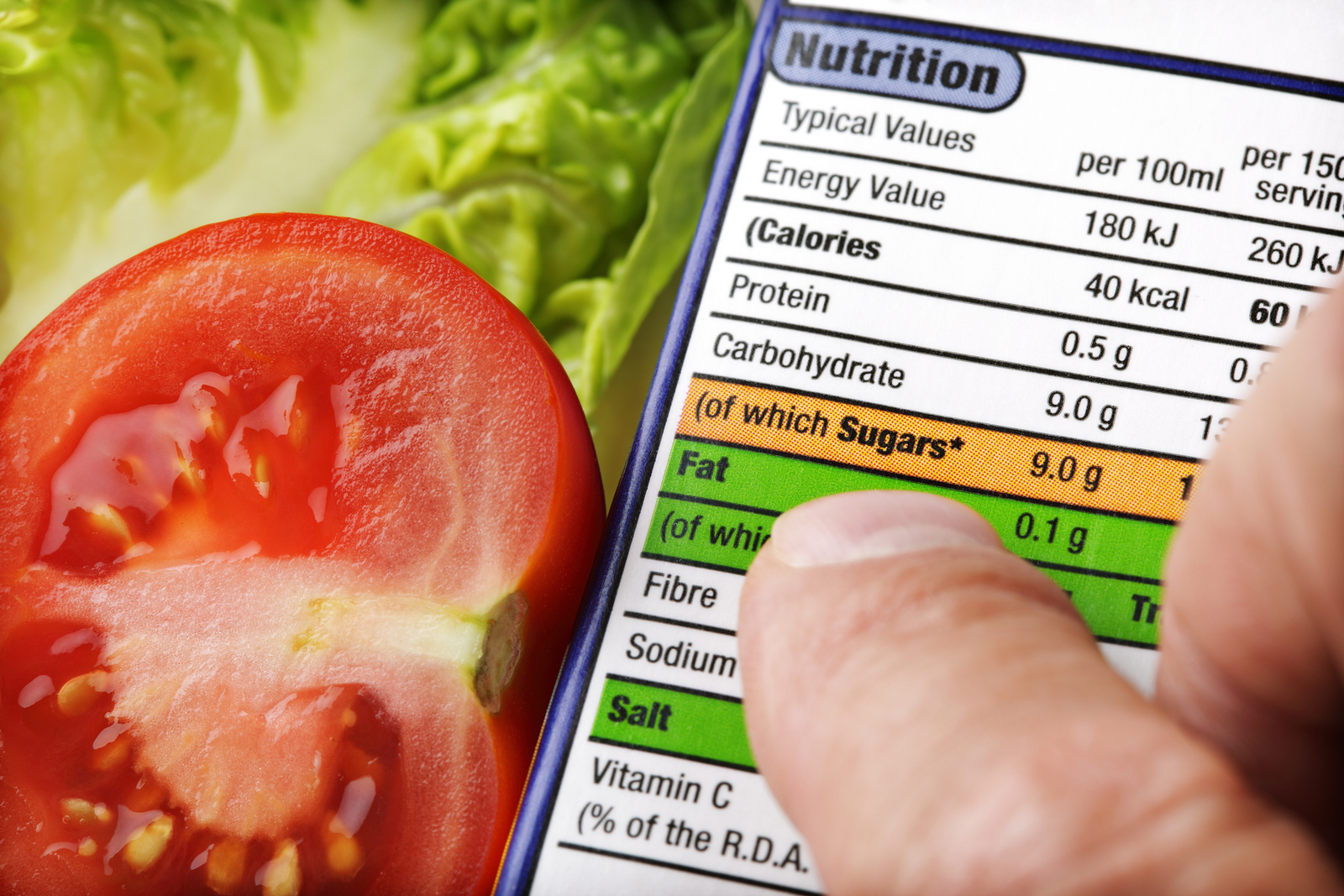
The Nutritional Facts section of a food label is a goldmine of information. It typically includes details like calories, total fat, sodium, total carbohydrates, and protein per serving. Understanding the % Daily Value (%DV) can help you determine how a particular food fits into your daily dietary needs. For example, a food item with a high %DV of fiber can be beneficial for digestion, while one with a high %DV of saturated fat might be something to consume in moderation. These values are based on a standard daily diet, so they can vary depending on individual nutritional requirements.
Ingredients List: What to Look For
The ingredients list on a food label can tell you a lot about the product. Ingredients are usually listed in descending order by weight, meaning the first few ingredients make up the bulk of the product. Look for whole foods like whole grains, fruits, and vegetables at the top of the list, and be wary of products where sugar, high-fructose corn syrup, or hydrogenated oils are listed first. Additionally, be on the lookout for any ingredients that you might be allergic to or wish to avoid. Knowing how to decipher these lists can help you make healthier choices and avoid unwanted additives.
Understanding Serving Sizes
One of the most misunderstood aspects of food labels is the serving size. The serving size indicated on the label is not necessarily the same as the portion you might consume. For example, a small bag of chips might contain two or more servings, meaning if you eat the whole bag, you need to multiply the nutritional values by the number of servings. Understanding serving sizes can help you better manage your calorie intake and ensure you are not overeating. It's also useful for comparing different products; just make sure you are comparing like with like in terms of serving sizes.
Special Labels and Claims
Food products often come with various special labels and claims like organic, non-GMO, gluten-free, and low-fat. While these labels can be helpful, they can also be misleading if not understood correctly. For instance, a product labeled as low-fat might still be high in sugar or calories. Similarly, organic foods are grown without synthetic pesticides but that doesn't necessarily make them healthier. Understanding what these claims mean can help you make more informed choices. Always refer back to the Nutritional Facts and ingredients list to get the complete picture of what you are consuming.